

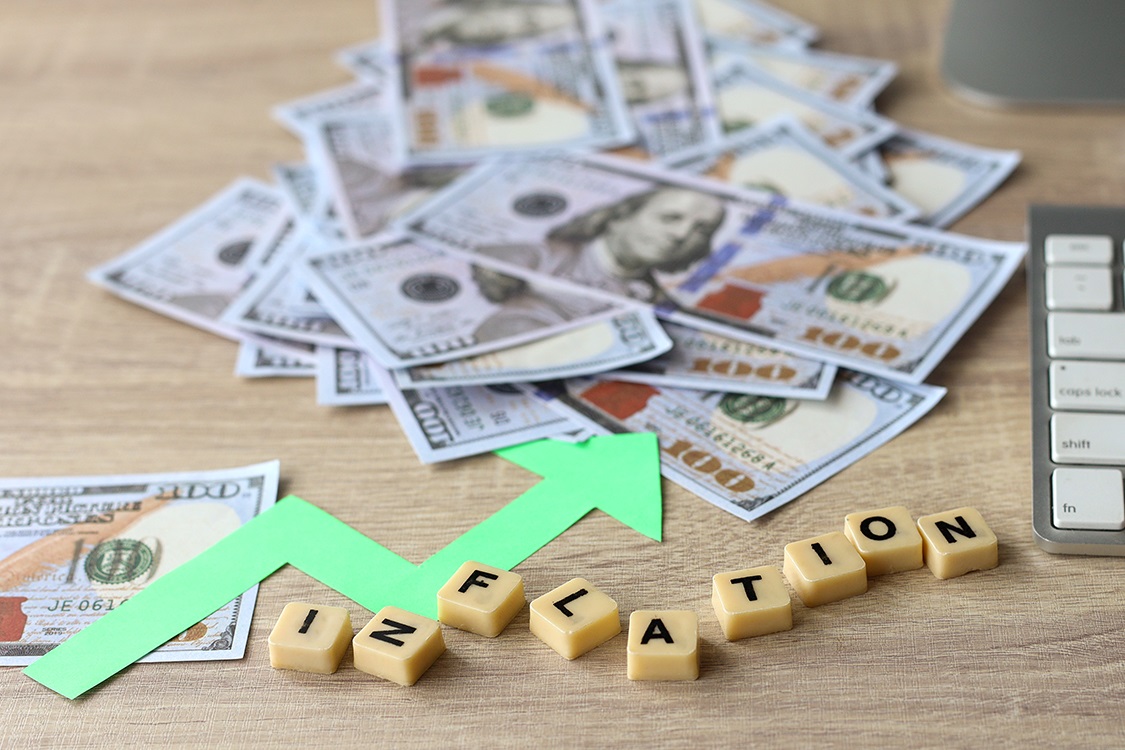
Inflation is one of the most silent yet powerful forces affecting personal finances. While your savings may appear safe and untouched in a bank account, inflation steadily reduces what that money can actually buy. Understanding this impact is essential for protecting your financial future.
What Is Inflation?
Inflation refers to the gradual increase in the general price level of goods and services over time. As prices rise, the purchasing power of money falls, meaning the same amount of money buys fewer goods than before.
In simple terms:
-
Today’s money is worth more than tomorrow’s
-
Prices go up, but idle savings often don’t keep pace
How Inflation Erodes Your Savings
When your savings grow at a rate lower than inflation, you effectively lose money in real terms—even if the account balance increases.
A Simple Example
If inflation is 6% per year and your savings earn 3% interest:
-
Your money grows numerically
-
Your real buying power shrinks by 3%
This gradual erosion often goes unnoticed but has a significant long-term impact.
The Hidden Cost of Keeping Money Idle
Many people associate saving with safety, but excessive reliance on low-interest savings can be risky over time.
Key issues include:
-
Declining purchasing power
-
Inability to meet future expenses
-
Higher financial stress during long-term goals like retirement
What feels safe today may become insufficient tomorrow.
Inflation vs Different Saving Options
Not all savings are affected equally by inflation.
Cash and Regular Savings Accounts
-
Highly liquid and low risk
-
Often fail to beat inflation
-
Best suited for short-term needs and emergencies
Fixed Deposits and Guaranteed Savings
-
Offer slightly better returns
-
Still vulnerable during high inflation periods
-
Suitable for capital protection, not wealth growth
Long-Term Savings Without Growth
-
Lose significant value over decades
-
Particularly damaging for retirement planning
Why Inflation Hurts Long-Term Goals the Most
Long-term goals suffer the greatest impact because inflation compounds over time.
Examples of affected goals:
-
Retirement expenses
-
Children’s education costs
-
Healthcare and insurance premiums
A goal that seems affordable today may require double or triple the amount in the future.
How to Protect Your Savings from Inflation
The key is not to eliminate saving—but to balance saving with growth-oriented strategies.
Practical Ways to Reduce Inflation Impact
-
Maintain an emergency fund, but avoid excess idle cash
-
Shift surplus money toward inflation-beating instruments
-
Review interest rates regularly
-
Increase savings contributions as income grows
Savings should protect you today, while growth strategies protect you tomorrow.
The Role of Financial Awareness
Inflation doesn’t cause immediate pain, which is why many ignore it. Awareness helps you:
-
Plan realistically for future expenses
-
Adjust saving habits proactively
-
Make informed financial decisions
Ignoring inflation is easy—but costly.
Final Thoughts
Inflation quietly reduces the real value of your savings every year. While saving is essential for stability, relying solely on low-growth options can undermine long-term financial security. A smart approach acknowledges inflation and plans beyond it, ensuring your money works as hard in the future as it does today.
Frequently Asked Questions (FAQs)
1. Does inflation affect all types of savings equally?
No, low-interest savings are affected more than options that offer growth or inflation-adjusted returns.
2. Is keeping cash at home worse than in a savings account?
Yes, cash at home earns no interest, so inflation erodes its value faster.
3. Can inflation ever be beneficial?
Moderate inflation can support economic growth, but high inflation hurts savers the most.
4. How often should I adjust my savings strategy due to inflation?
Reviewing your strategy annually or during major economic changes is recommended.
5. Are emergency funds affected by inflation?
Yes, but emergency funds prioritize liquidity and safety, not returns.
6. Why do long-term savers feel inflation more?
Because inflation compounds over time, significantly reducing future purchasing power.
7. What is the biggest mistake people make regarding inflation?
Assuming that saving alone is enough without considering how inflation reduces real value over time