
Trade and export finance plays a critical role in enabling international business. While goods may physically move across borders, finance is what keeps global trade flowing smoothly. From securing payments to managing risk, trade finance bridges the trust gap between buyers and sellers in different countries.
This article explores how trade and export finance works, why it matters, and how businesses can use it effectively.
What Is Trade and Export Finance?
Trade and export finance refers to financial instruments and products that facilitate international trade transactions. These tools help exporters receive payment and importers access goods without excessive risk.
It ensures that exporters are paid on time while importers receive goods as agreed, even when parties have never done business together before.
Importance of Trade Finance in Export Growth
Without proper financial support, many export deals would be too risky or capital-intensive to execute.
Key advantages include:
-
Improved cash flow for exporters
-
Reduced payment default risk
-
Enhanced trust between international trading partners
-
Access to working capital for production and shipping
-
Support for large and long-term export contracts
Trade finance is especially important for small and medium-sized enterprises entering global markets.
Common Trade and Export Finance Instruments
Different financial tools are used depending on transaction size, risk level, and buyer-seller relationship.
Letter of Credit (LC)
A letter of credit is issued by a bank on behalf of the importer, guaranteeing payment to the exporter once agreed conditions are met.
Key features:
-
High security for exporters
-
Widely accepted in international trade
-
Requires strict document compliance
Export Credit
Export credit allows exporters to offer deferred payment terms to buyers while receiving funds upfront from banks or financial institutions.
Benefits include:
-
Competitive pricing for buyers
-
Improved exporter liquidity
-
Increased deal closure rates
Bank Guarantee
A bank guarantee ensures compensation if one party fails to meet contractual obligations.
Common uses:
-
Advance payment guarantees
-
Performance guarantees
-
Bid bonds
Trade Credit Insurance
This insurance protects exporters against non-payment due to buyer default or political risks.
Covered risks may include:
-
Buyer insolvency
-
Payment delays
-
War or government restrictions
Role of Banks and Financial Institutions
Banks act as intermediaries, risk managers, and fund providers in trade finance.
Their responsibilities include:
-
Issuing letters of credit and guarantees
-
Financing pre-shipment and post-shipment needs
-
Verifying trade documents
-
Managing foreign exchange transactions
Strong banking relationships often determine how smoothly export operations run.
Risks in Trade and Export Finance
Despite safeguards, trade finance is not risk-free.
Major risks include:
-
Foreign exchange volatility
-
Fraud and document discrepancies
-
Political and country risk
-
Delayed shipments affecting payment timelines
Effective risk assessment and proper documentation help mitigate these challenges.
Digital Transformation in Trade Finance
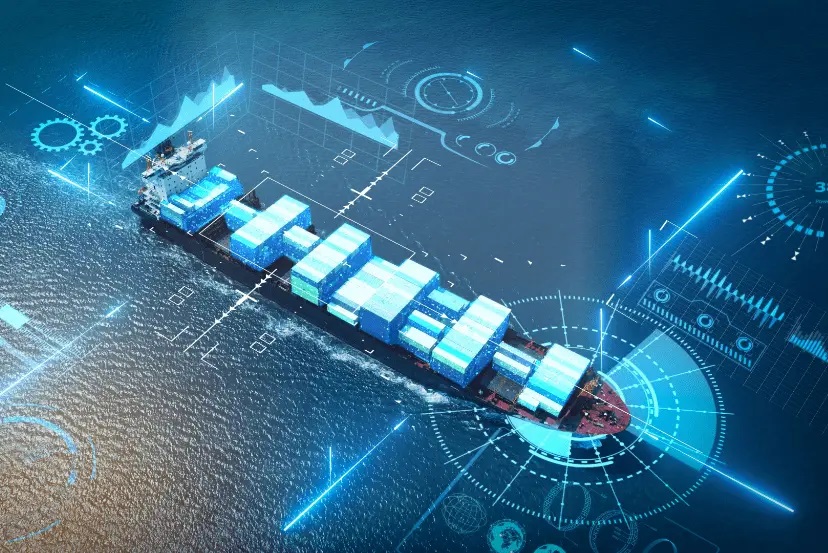
Technology is reshaping how trade finance operates. Paper-heavy processes are gradually being replaced by digital platforms and automated verification systems.
Key developments include:
-
Electronic letters of credit
-
Blockchain-based document verification
-
AI-driven risk assessment
-
Faster cross-border payment systems
Digital trade finance reduces processing time, costs, and human error.
Trade Finance and Sustainable Exports
Sustainability is becoming a focus area in global trade finance. Financial institutions increasingly support exporters who follow ethical sourcing, low-carbon logistics, and transparent supply chains.
Green trade finance solutions reward responsible exporters with better terms and access to funding.
Frequently Asked Questions (FAQ)
Is trade finance only for large corporations?
No, small and medium-sized businesses also use trade finance to manage cash flow and reduce export risks.
How does a letter of credit protect exporters?
It guarantees payment from the importer’s bank once shipping and document conditions are met.
What happens if export documents have errors?
Banks may reject documents, causing payment delays or non-payment until corrections are made.
Can trade finance reduce currency risk?
While not eliminating it entirely, trade finance can be combined with hedging tools to manage exchange rate exposure.
Are digital trade finance platforms secure?
Most platforms use advanced encryption and verification technologies to ensure data security.
What industries rely most on trade finance?
Manufacturing, agriculture, energy, and commodities heavily depend on trade finance solutions.
How does trade finance support global economic stability?
By enabling reliable cross-border transactions, trade finance keeps supply chains functioning and markets connected.